
A Short Introduction
By Gabriela De Castro
Aesthetic appreciation is part of the human experience, more pronounced in some people than others, perhaps, but ultimately inescapable. Many people reject the idea that they participate in creative acts, but it is impossible to avoid. If you arrange your desk in a particular way, cook with your own style, or choose which shirt works best with your jeans, you have engaged in a creative act. Creativity exists not only in galleries and studios but in the countless small decisions that shape our everyday lives.
Art was a part of my life long before I ever had the creative instinct to put pencil to paper. At first it was a deep curiosity about the lived environment, seeking meaning & understanding about things I encountered. This curiosity led to a love of museums and the discovery of artistic expression. Even as a child, objects in a museum represented fascinating paths of exploration and knowledge. I wanted to learn more and more about the stories behind them, the intentions of their makers, and the contexts in which they were created. When I learned about conceptual art I became fascinated by the boundaries that artists such as Marcel Duchamp and Joseph Kosuth pushed. Their work challenged assumptions about what art could be, where its boundaries lie, and whether those boundaries even exist at all.
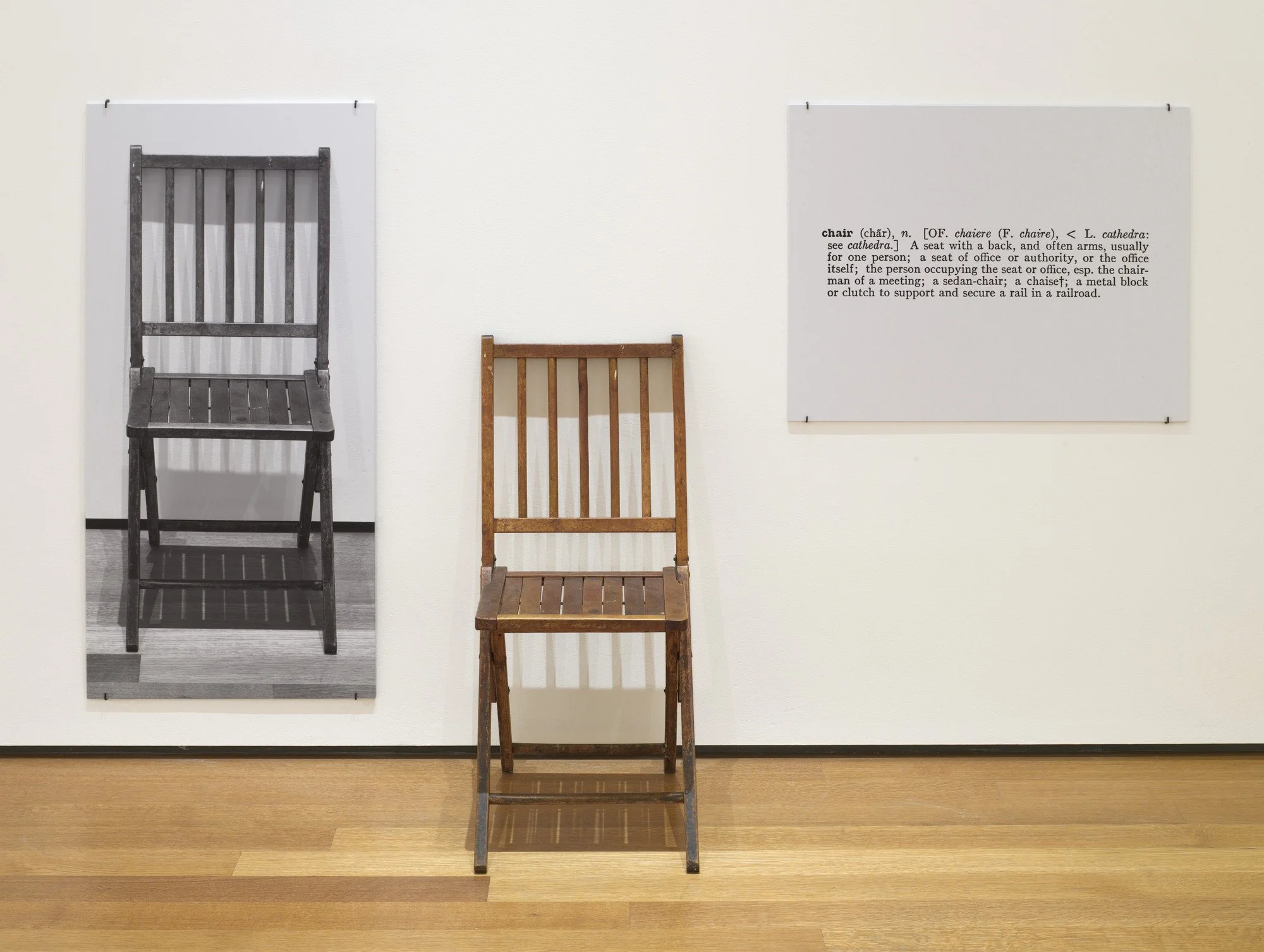
Joseph Kosuth, One and Three Chairs © 2026 Joseph Kosuth / Artists Rights Society (ARS), New York, Courtesy of the artist and Sean Kelly Gallery, New York
When I first began creating art for myself, it was primarily a pursuit of technique. I became engrossed in pushing the limits of how accurately I could represent the world around me. Over time, that technical pursuit merged with an emerging need to express my vision of the world. However, my background as a designer left another creative need somewhat neglected: the desire to make things, to experiment with objects and materials, and to push boundaries through creation itself. I began asking myself how I could combine my love for art with the impulse to craft practical physical objects.
The more I thought about the artists that inspired me by pushing boundaries, the more interested I became in the idea of the bounds of an artwork, the frame. If artists challenge assumptions about what art is, I began wondering whether the frame itself could become part of the conversation. That question became the foundation of D’kast.
At its most basic level, framing serves to protect artwork from damage. The frame itself offers protection during handling and transportation, while the glass shields the work from humidity and airborne particles that can damage delicate surfaces. The materials used inside what is known as the “frame package” are available in varying archival grades, helping to prevent yellowing, deterioration, and unwanted chemical reactions.
Yet framing has always been about more than preservation. It carries an aesthetic purpose, marking the point where the everyday world ends and the artwork begins. Throughout history, frames have also been remarkable examples of craftsmanship in their own right. While matching a frame to an interior can certainly be beautiful, a statement piece that complements and expands upon the artwork can transform the viewing experience. It can invite a deeper contemplation of the work that shares your home.
I believe art should be playful and willing to push boundaries. With D’kast, I became interested in blurring the distinction between frame and artwork, exploring how framing itself could become part of the artistic statement. By challenging conventional expectations, I hope to create pieces that encourage viewers to engage with art in a slightly different way.
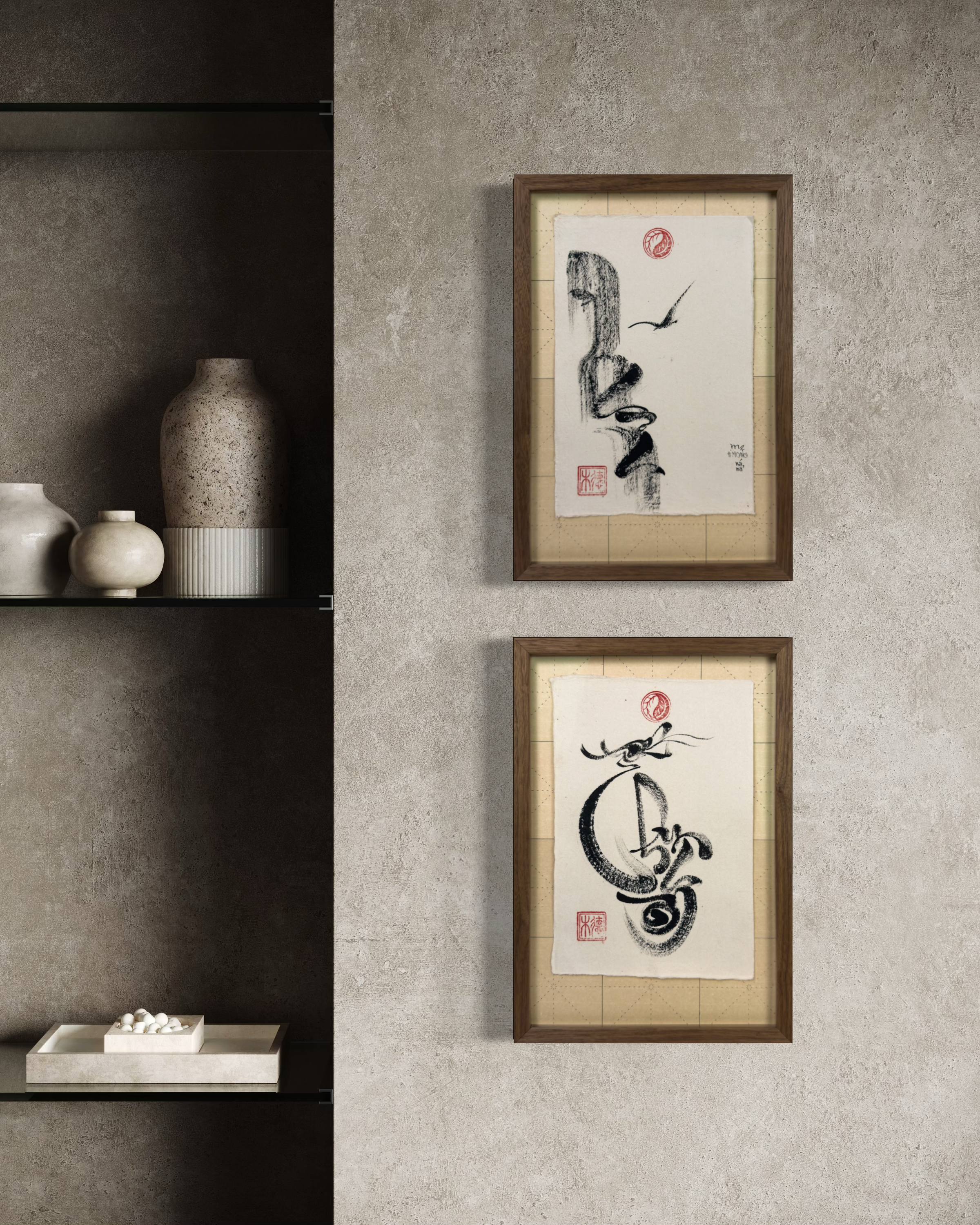
Mộc Đức, Nà nả (mother), Hanoi Framed by D’kast
There is also the subject of convenience, an uncomfortable topic when discussing artistic expression, yet an important one. D’kast offers artwork that is framed and ready to hang, allowing it to become part of your home and collection as soon as it arrives. I will be the first to admit that I have artwork sitting in a closet waiting for a trip to the framers, a trip that inevitably gets postponed again and again. By removing that barrier, the work can be enjoyed immediately rather than remaining hidden away.
In the end, it is about curiosity, experimentation, and expression. It is about stepping away from rigid ideas of what a frame is supposed to be. Why not try something new? A statement piece for your home, a conversation starter, or simply something that brings you joy. Each D’kast work is a unique one-of-one piece, created to blur boundaries, spark curiosity, and celebrate the playful possibilities of art.
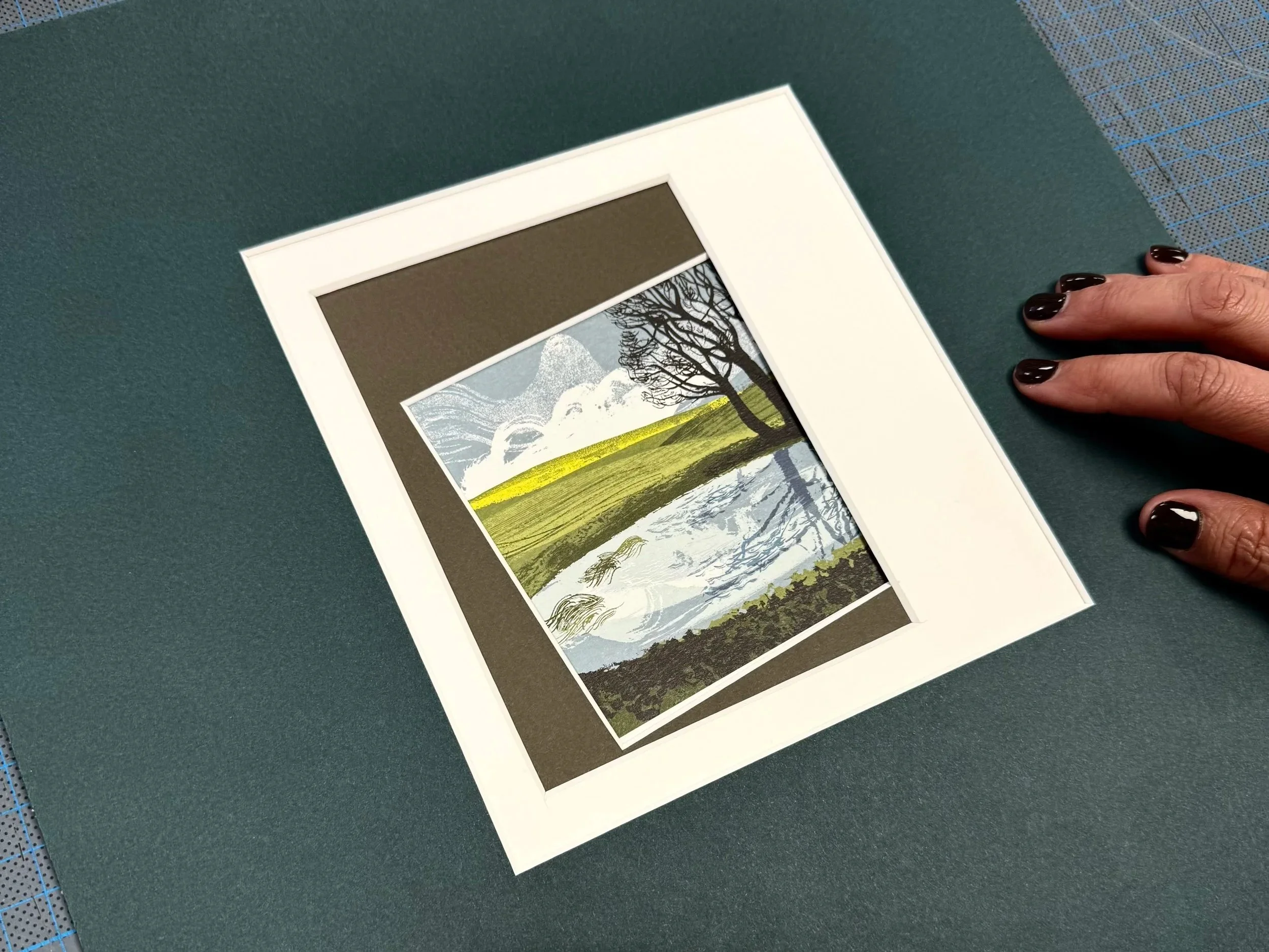
experimenting in the studio